
PERIODONTAL THERAPY
MANAGING PERIODONTAL DISEASE
Periodontal therapy encompasses deep dental cleanings, scaling and root planing, and antimicrobial treatments designed to cure gingivitis and control chronic gum disease. Patients in Rogersville, MO choose periodontal therapy at Rogersville Family Dental to halt gum recession, eliminate localized infection, and protect underlying jawbone support.
In its early stages, gum disease often shows no noticeable symptoms, which means many patients may not realize they have it. However, as it progresses, it can cause significant damage without warning. Think of the gums and bone around your teeth as the foundation of a house—no matter how sturdy the structure, a compromised foundation can lead to the collapse of everything built upon it. Early detection and management of periodontitis are crucial, which can be achieved by scheduling regular dental exams, receiving professional cleanings, and practicing good oral hygiene at home.
What Causes Gum Disease?
Our mouths contain millions of bacteria, some beneficial and others harmful. The harmful bacteria produce plaque, a sticky substance that clings to the teeth. Brushing and flossing are essential to remove plaque before it hardens into tartar, which creates a breeding ground for bacteria to flourish and release toxins into the gums.
When the immune system detects the bacterial invasion, it triggers an inflammatory response in the gums. This causes small gum pockets to form around the base of each tooth, creating a warm, dark space where bacteria and tartar can penetrate, releasing toxins into the deeper gum tissues.
Initially, this inflammation leads to bleeding gums, a condition called gingivitis. If left untreated, the bacteria can cause a chronic infection in the gum pockets. As the bacteria invade deeper into the gums, the bone supporting the teeth begins to break down. At this stage, the gums may feel tender, but the loss of bone tissue usually causes minimal discomfort.
Pain or tooth looseness typically does not occur until more than half of the supporting bone is lost. Unfortunately, bone loss is permanent, and controlling the disease becomes more difficult as bacteria continue to infiltrate the gums. In severe cases, untreated gum disease can lead to abscesses and widespread tooth loss.
How to Diagnose Gum Disease and Treat Effectively
We diagnose and grade gum disease based on detailed clinical data. Using specialized instruments, we carefully measure and chart various areas of your gums to ensure an accurate assessment. Areas that bleed or have measurements over 3 millimeters often indicate the presence of gum disease. Additionally, we assess the texture, shape, and movement of your gums, and examine the bone density and structure around your teeth with digital x-rays. By combining these observations, we gain a thorough understanding of your gum health. Dr. Zimmer and our hygiene team are committed to providing expert care and treatment for your oral well-being.
What a Treatment Plan Looks Like for Managing Gum Disease
After diagnosing and determining the severity of gum disease, we will collaborate with you to create a personalized treatment plan. For less severe cases with minimal bone loss, one or two visits with our hygiene team may be enough to manage the condition. With a clear plan for daily home care and maintenance, additional treatments may not be necessary.
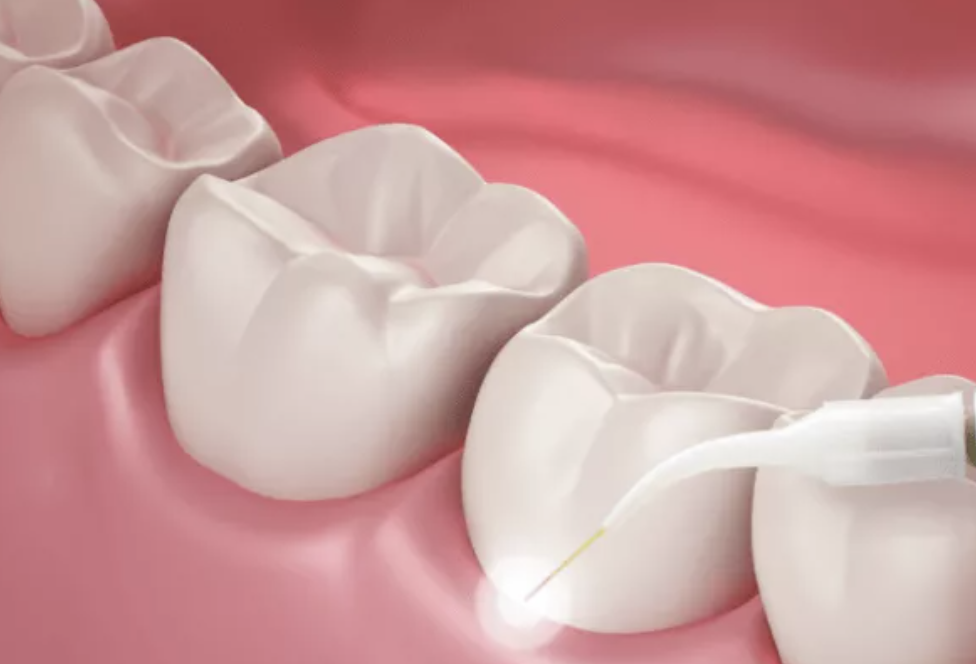
However, if inflammation has progressed and bone loss is present, a more aggressive approach is needed to prevent further damage. In these cases, we may recommend numbing your gums for comfort during a deeper cleaning process. This thorough cleaning, typically performed over several visits, targets both above and below the gum line. Using both hand and ultrasonic instruments, we carefully remove infected tissue and mineralized tartar from the gum pockets around each tooth. A final polishing is done to smooth the surfaces, helping prevent plaque and stain buildup.
How You Can Prevent Gum Disease and Its Negative Impact on Your Health
Maintaining proper home care is essential to prevent the progression of gum disease. Bacteria can quickly reattach to your teeth after cleaning, and untreated plaque can harden into tartar within 24 hours. For deeper gum pockets, extra attention is needed to prevent further damage to the foundation of your teeth.
Ongoing research emphasizes the strong links between oral bacteria and serious health conditions such as heart disease, stroke, arthritis, Alzheimer’s, and certain cancers. Bleeding gums provide a direct pathway for bacteria to enter your bloodstream.