SLEEP APNEA
WHAT DOES A SLEEP APNEA TREATMENT LOOK LIKE?
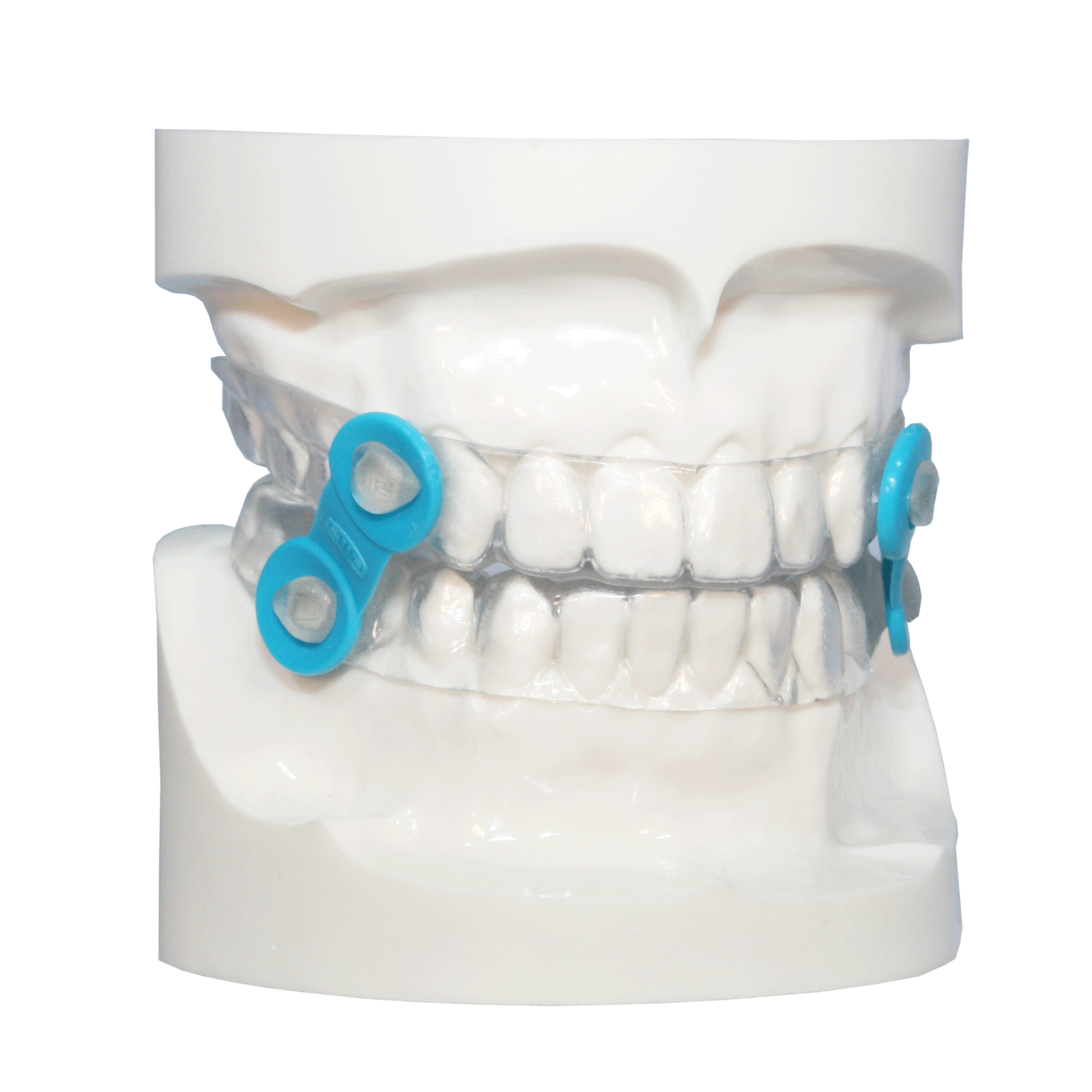
Sleep apnea appliances are custom-made oral devices worn at night to gently reposition the lower jaw and keep upper airways open during sleep. Patients in Rogersville, MO visit Rogersville Family Dental for comfortable sleep apnea appliances that treat obstructive sleep apnea without noisy CPAP machines.
When oxygen levels drop due to interrupted breathing, the brain detects the imbalance and triggers the body to wake up and resume breathing. This often causes individuals with sleep apnea to briefly awaken, sometimes accompanied by loud snoring, choking, or gasping for air. However, because these awakenings are usually partial, many people remain unaware of their condition, resulting in sleep apnea frequently going undiagnosed.
Sleep apnea is categorized into two main types: central sleep apnea and obstructive sleep apnea. Central sleep apnea occurs when the brain fails to send proper signals to the muscles that control breathing. In contrast, obstructive sleep apnea happens when airflow is physically blocked, despite the body’s attempts to breathe. Obstructive sleep apnea is much more common and is the type typically addressed by dental professionals.
Common symptoms of obstructive sleep apnea include persistent morning headaches, excessive daytime fatigue, loud snoring, and difficulty staying asleep. Without treatment, this condition can lead to severe health issues such as high blood pressure, heart disease, and stroke.
Fortunately, dentists play a vital role in treating obstructive sleep apnea through a range of effective options. One popular approach is the use of custom oral appliances that keep the airway open during sleep by repositioning the jaw or tongue. These devices offer a non-invasive and more comfortable alternative to CPAP machines, which are often recommended for severe cases.
TREATING YOUR SLEEP APNEA IS IMPORTANT
If you think you or a loved one might have sleep apnea, it is important to seek medical help as soon as possible. Left untreated, sleep apnea can lead to serious health risks and potentially life-threatening complications. During episodes of obstructive sleep apnea, breathing can stop completely multiple times per hour, causing oxygen levels to drop to dangerously low levels.
As the airway remains blocked, the chest, diaphragm, and abdomen strain to draw in air, increasing tension and tightening the obstruction. To restore airflow, the body may partially awaken, but this repeated cycle of disrupted sleep takes a significant toll on physical and mental health. The lack of oxygen and buildup of carbon dioxide in the bloodstream place immense stress on the heart, forcing it to work harder to compensate.
WHAT TO EXPECT FROM A SLEEP APNEA TREATMENT
Diagnosing sleep apnea is the first essential step toward effective treatment. If you suspect you may have this condition, a dentist can perform a comprehensive evaluation to assess its severity and create a personalized treatment plan tailored to your needs. Treatment options depend on the type and severity of sleep apnea, as well as the patient's overall health.
In some cases, lifestyle adjustments can help alleviate symptoms. Your dentist might recommend quitting smoking, reducing alcohol intake, or avoiding sedatives and tranquilizers, as these can exacerbate the condition.
Traditionally, CPAP (Continuous Positive Airway Pressure) machines have been used to maintain open airways by delivering a constant stream of air. However, many patients find these machines uncomfortable and difficult to use consistently. Fortunately, there are now more user-friendly alternatives. Custom-fitted oral appliances are among the most effective options. These devices work by gently repositioning the lower jaw to prevent the tongue from obstructing the airway. They are comfortable, easy to use, and often eliminate the need for surgery.
For patients with severe sleep apnea, surgical intervention may be necessary. One common procedure involves repositioning the lower jaw to draw the tongue forward and improve airflow. This straightforward surgery has a high success rate and can provide lasting relief, though it is typically considered only after other treatments have been tried.
The best treatment plan will depend on a detailed diagnosis provided by your dentist. By thoroughly evaluating your condition, they can recommend the most appropriate solution to enhance your health and quality of life.
If you suspect you have sleep apnea or need help managing an existing diagnosis, don't delay seeking care. Contact our office today to schedule a consultation and discover how we can help improve your sleep and overall well-being.